NBS4Drought
Showcase 02

Tertiary treatment wetlands for water quality control in Granollers, Spain

Environmental recovery site in Granollers with a 1.1 ha constructed wetland providing tertiary treatment and water reuse for the city.

SpainMediterraneanUrban

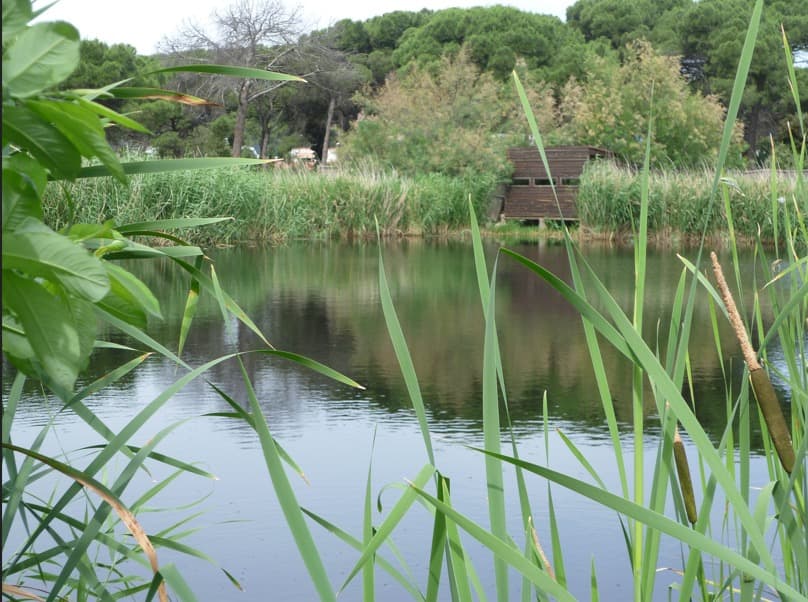
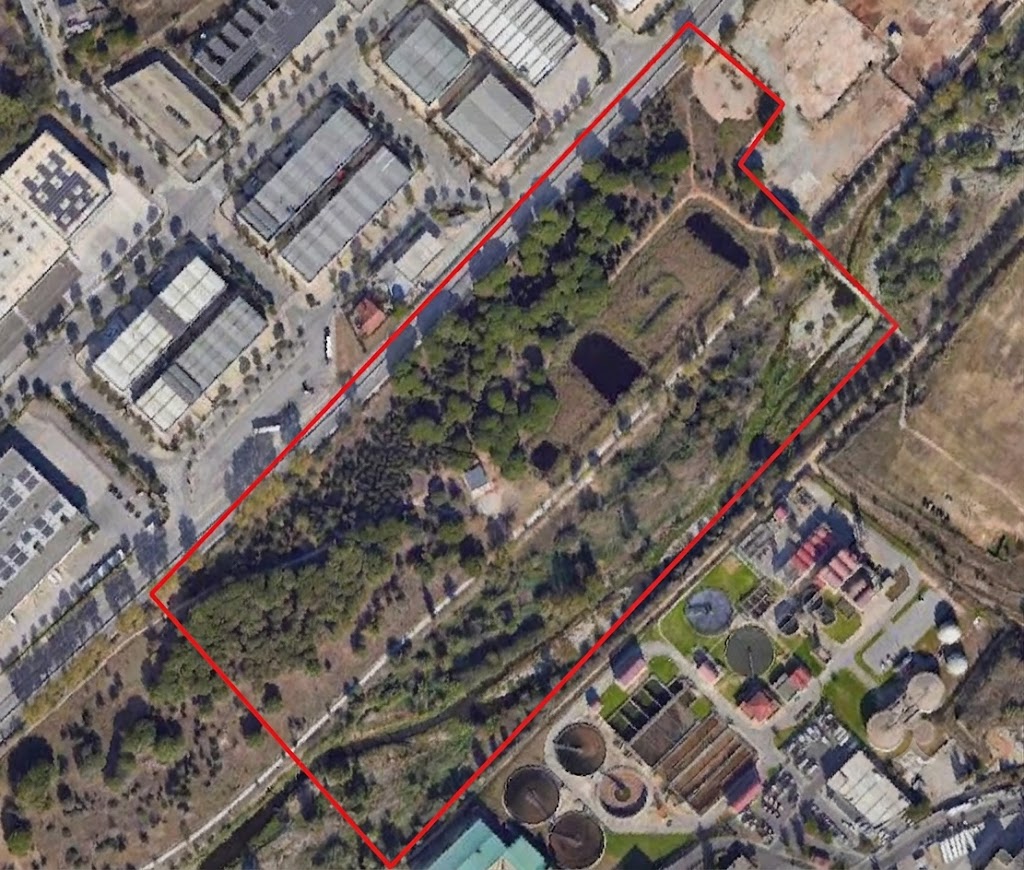
Can Cabanyes is an environmental recovery site in Granollers (Barcelona, Spain) that once was degraded but now functions as a natural habitat, recreation area, and core of the city's water reuse. A 1 ha constructed wetland acts as a tertiary treatment system for the Granollers wastewater treatment plant, using aquatic plants such as reeds and bulrushes to naturally filter wastewater while creating a thriving habitat popular for birdwatching and environmental education. An expansion project planned for 2026 will increase the natural area to roughly 8 hectares, adding stream restoration, a bioremediation stream, a second constructed wetland, and an associated flooded forest.

Socio-economic monitoring shows how people access, use, perceive, and engage with this showcase. It combines partner-uploaded social indicators with geo-based survey results where available.

Accessibility

Awaiting data

Visitors

Awaiting data

Sentiment

Awaiting survey data

Survey responses

Survey not started

Well-being

Survey not started

Engagement

Awaiting data

Latest indicator overview

Awaiting data

JanFebMarAprMayJunJulAugSepOctNov
S1A Time accessibilityS1B Wetland visitorsS2A Sentiment Index

Geo-based survey summary

Per assessment point: anonymous aggregated mean scores for sentiment (S2A), physical well-being (S2B), and mental well-being (S2C). Individual responses are never shown.

SC2 — Can Cabanyes wetlands — geo-based survey map
Planned points
3
Responses
Coverage
0%

Assessment points — Sentiment

  • Wetlands de Can Cabanyesn=0 ·
  • Birdwatching viewpointn=0 ·
  • Resting arean=0 ·
Survey not started
Showcase boundaryAssessment points
PositiveNeutralNegative

Configured indicators (Socio-economic)

CodeIndicatorWhat it measuresSourceFrequencyStatus
S1ATime accessibilityPopulation or travel-time access to the wetlandPartner upload / External Data AnalysisAnnualAwaiting data
S1BWetland visitorsNumber of visitors per yearPartner uploadAnnualAwaiting data
S1CUsers accessibilityPotential users per km²Partner upload / External Data AnalysisAnnualAwaiting data
S2ASentiment IndexPositive, neutral, and negative perceptionPartner upload / geo-based surveyAnnual / survey-basedAwaiting survey data
S2BPhysical well-being surveySelf-reported physical well-beingGeo-based surveySurvey-basedSurvey not started
S2CMental well-being surveySelf-reported mental well-beingGeo-based surveySurvey-basedSurvey not started
S3APublic involvementParticipation in wetland-related activitiesPartner uploadAnnualAwaiting data
S3BVirtual engagementOnline or digital engagement levelPartner uploadAnnualAwaiting data
S3CSocial contribution to scienceNumber or percentage of public contributionsPartner uploadAnnualAwaiting data

Related forum discussions

  • Interpreting water quality trends for this showcase
  • Biodiversity monitoring data gaps
Open Forum

Gallery

Field images and visual material

Images help communicate site context, monitoring activities, and nature-based solution interventions.

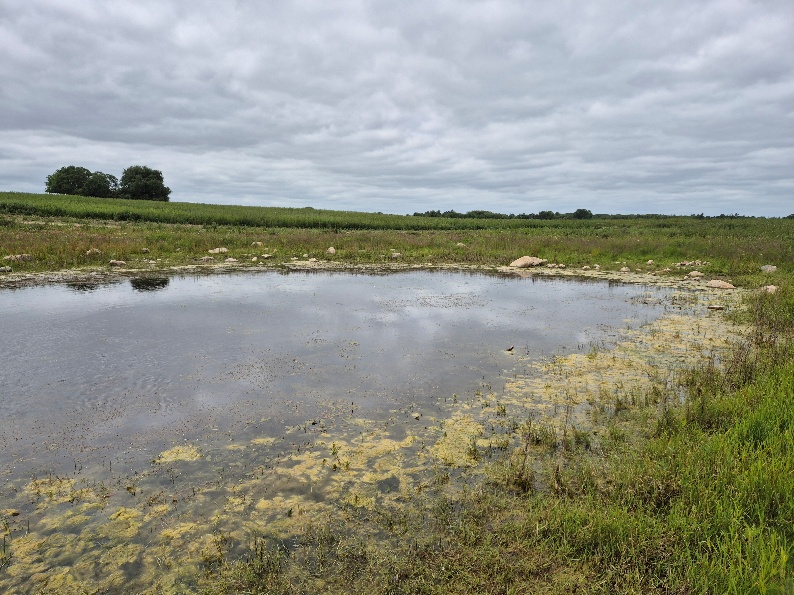
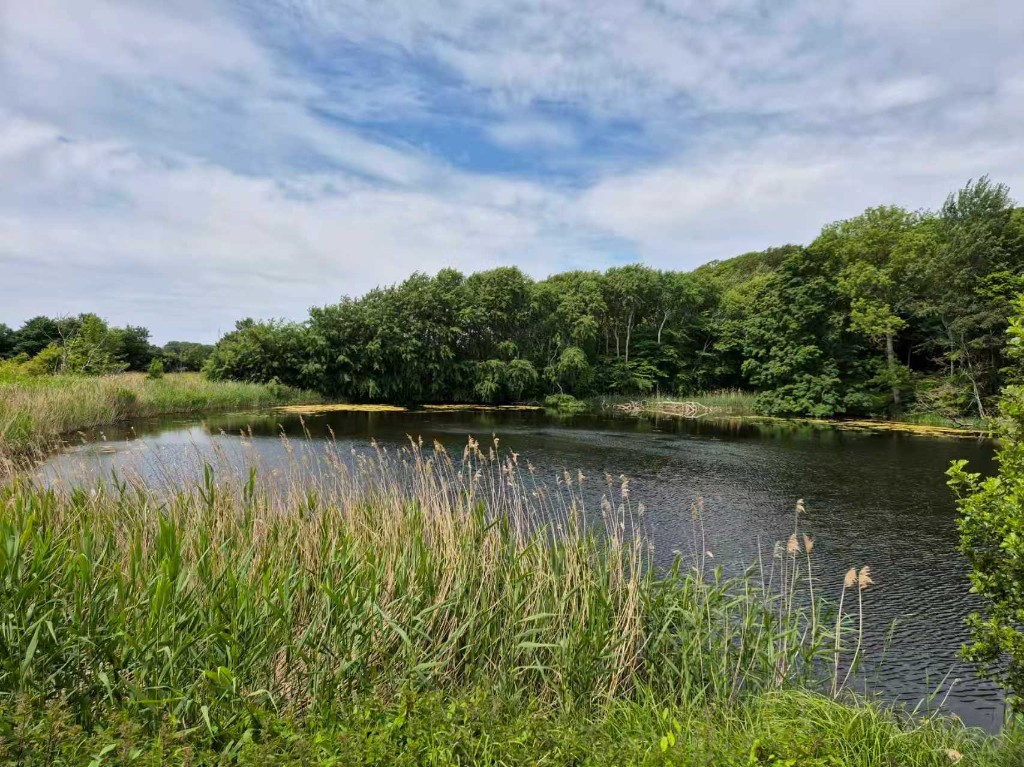
Constructed wetland at Can Cabanyes

Treatment cells with aquatic vegetation

Environmental recovery landscape

Water reuse and wetland infrastructure